Roofer: Professional Roof Repair Experts for Property Managers
Experienced Roofing Services: Defend Your Investment With Quality Craftsmanship
Investing in expert roofing services is essential for protecting a home's foundational strength. Superior workmanship not only avoids common issues like water infiltration and wind damage but also improves the property's overall value. Homeowners must evaluate the long-term benefits of skilled professionals who use premium products. Recognizing the importance of these services can result in improved choices for home maintenance and protection. What considerations should homeowners weigh when selecting a roofing contractor?
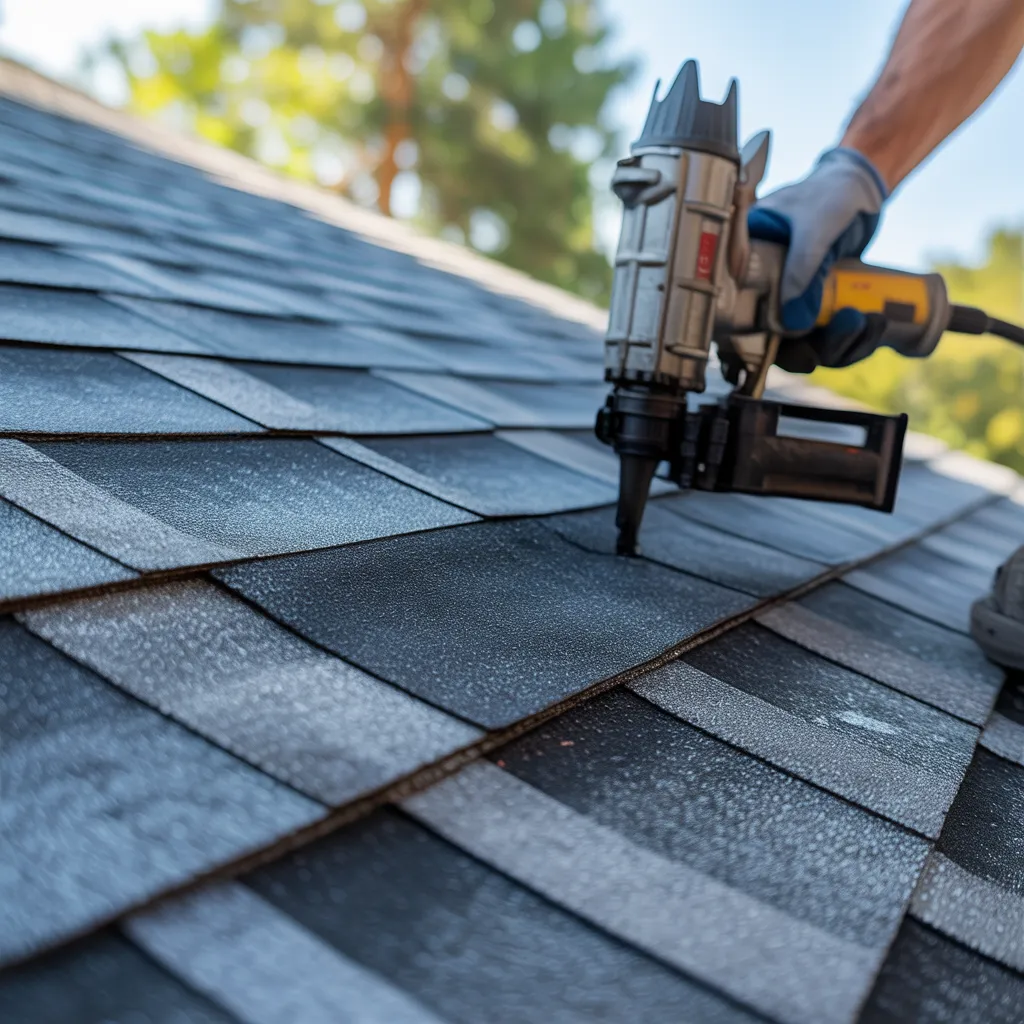
How Quality Roofing Protects Your Home Investment
Quality roofing operates as a crucial barrier against the elements, protecting a home's structural stability and overall value. A professionally installed roof prevents water infiltration, which can lead to mold, rot, and costly repairs. It also guards against wind damage and extreme temperatures, ensuring that insulation remains effective, thereby maximizing energy efficiency. Quality materials, such as asphalt shingles or metal roofing, enhance longevity and reduce the need for frequent maintenance or replacement.
Also, a quality roof boosts curb appeal, improving the home's marketability. Potential buyers are often discouraged by signals of roofing issues, which can reduce a property's resale value. Investing in superior roofing not only provides instant safeguarding but also acts as a long-term investment that pays returns in the form of decreased insurance costs and increased equity. Homeowners who give priority to superior roofing at last secure their financial interests in the property.
Top 5 Reasons to Select Professional Roofing Services
Choosing qualified roofing services can greatly influence the longevity and functionality of a home’s roof. To begin with, knowledgeable professionals hold deep knowledge and experience, ensuring that installations and repairs comply with industry standards. Secondly, expert roofing services commonly provide warranties, granting peace of mind and safeguarding the homeowner’s investment. Thirdly, they employ top-quality materials, improving durability and strength against harsh weather conditions. Fourthly, professionals assure compliance with local building codes and regulations, mitigating the risk of legal complications later. Finally, by engaging experts, homeowners benefit from efficient project completion, lessening disruptions to everyday life. These five reasons emphasize the importance of selecting expert roofing services to protect both the roof and the overall worth of the property. Investing in professionals not only strengthens structural integrity but also supports the long-term maintenance and visual charm of a home.
Critical Elements to Evaluate in a Roofing Contractor
When picking a roofing contractor, several important qualities are necessary for guaranteeing a successful project. Knowledge and knowledge in the field, along with appropriate licensing and insurance, provide a foundation of dependability. Additionally, the application of quality materials can greatly impact the longevity and effectiveness of the roofing solution.
Background and Knowledge
Steering through the realm of roofing contractors requires a keen eye for background and skill. Homeowners should value contractors with a demonstrated track record of successful projects, as this demonstrates reliability and competence. Contractors with experience are typically well-versed in various roofing materials and techniques, guaranteeing they can face diverse challenges efficiently. Furthermore, proficiency often results in superior problem-solving skills, which can avoid issues during installation or repairs. Hiring a contractor with broad knowledge can also bring insightful recommendations that enhance the roofing system's longevity and performance. In the end, choosing a contractor who represents both experience and expertise is crucial for safeguarding the integrity of your investment in roofing services.
Licensing and Insurance
A qualified roofing contractor should always maintain valid licensing and insurance, which are vital indicators of professionalism and accountability. Licensing guarantees that the contractor meets industry standards and regulations, offering property owners confidence. It also demonstrates the contractor's commitment to quality workmanship and adherence to safety protocols. Insurance, meanwhile, protects both the contractor and the homeowner from conceivable liabilities. In the event of an accident or damage during the roofing project, adequate insurance coverage can prevent costly financial repercussions. Therefore, confirming a contractor's licensing and insurance status is essential. Homeowners are urged to request documentation and validate its authenticity before engaging any roofing services, guaranteeing a safer and more reliable roofing experience.
Premium Supplies Applied
Quality materials serve as essential elements in the durability and effectiveness of a roofing system. When picking a roof specialist, it is vital to inquire about the types of materials they use. Premium shingles, underlayment, and flashing can greatly enhance durability and resistance to climatic factors. Contractors should offer products that conform with trade requirements and have proven longevity. Additionally, energy-efficient options may assist in achieving reduced energy bills. Homeowners should also consider warranties associated with materials, as such assurances can reflect the manufacturer's confidence in their items. By prioritizing quality materials, homeowners can assure that their roofing investment is defended, ultimately leading to reduced maintenance costs and lengthened roof durability.
Widely Used Roofing Materials and The Advantages They Provide
When reviewing roofing options, homeowners frequently compare the benefits of various materials. Asphalt shingles, metal roofing, and tile roofing each provide distinct advantages that meet different needs and preferences. Understanding these materials can help in making a well-informed choice for long-term roofing solutions.
Asphalt Shingles Summary
Asphalt shingles represent one of the most heavily used roofing materials due to their inexpensive nature and range of applications. Supplied in a collection of colors and styles, they can align with any architectural design, making them a go-to choice for homeowners. These shingles are assembled of a fiberglass mat infused with asphalt and mineral granules, ensuring durability and environmental protection. Their easy installation approach produces lower labor costs, further promoting their appeal. Additionally, asphalt shingles typically have a lifespan of 15 to 30 years, depending on the quality selected. They also exhibit good fire resistance and can be handled at the end of their life cycle, making them a planet-conscious option. Overall, asphalt shingles render a reliable solution for roofing needs.
Metal Roof Pros
Metal roofing offers a strong alternative to traditional materials, known for its outstanding durability and lifespan. This roofing style can endure severe weather, such as heavy rain, snow, and high winds, rendering it appropriate for a range of climate zones. Additionally, metal roofs are protected to rust, corrosion, and pests, which further extends their durability. They are also energy-efficient, bouncing back solar heat and potentially lowering cooling costs. Offered in multiple designs and hues, metal roofing improves a property's aesthetic appeal while providing significant value. Furthermore, many metal roofing options are made from recycled materials, offering an eco-conscious choice. Overall, the benefits of metal roofing render it a compelling option for homeowners looking for long-lasting protection and performance.
Benefits of Tile Roofing
Tile roofing stands out as another popular choice among homeowners, renowned for its unique combination of visual appeal and functionality. One of the primary benefits of tile roofing is its durability; tiles can withstand severe weather conditions, including heavy rain and extreme temperatures. Additionally, tile roofs are fire-resistant, providing an added level of safety. Their longevity often surpasses that of other materials, rendering them a budget-friendly option over time. Tile roofing also offers excellent insulation properties, which can help reduce energy costs. The variety of styles and colors available enables homeowners to enhance their property’s curb appeal. Overall, tile roofing offers a solid investment, melding beauty, resilience, and efficiency for discerning homeowners.
The Value of Quality Artistry in Roof Longevity
Quality workmanship is crucial for guaranteeing a roof's durability and effectiveness. When experienced contractors handle roofing projects, they utilize premium materials and accurate techniques, which significantly impact the roof's strength. Careful consideration, from correct installation practices to compliance with building codes, minimizes vulnerabilities that could result in leaks or structural damage.
Furthermore, veteran roofers comprehend the specific requirements of various roofing materials, enabling them to tailor their technique for maximum efficiency. This proficiency not only boosts the roof's durability but also guarantees that it can handle environmental threats such as adverse weather patterns.
Investing in quality artistry also results in fewer repair needs over time, ultimately sparing homeowners from unexpected expenses. In conclusion, the role of quality craftsmanship in roofing cannot be overstated; it is crucial for achieving a long-lasting and effective roof that protects one's investment.
Maintenance Suggestions to Defend Your New Roof Asset
Safeguarding a fresh roof investment requires preventative upkeep to ensure its durability and functionality. Regular inspections are crucial; homeowners should check for signs of wear or damage at least two times annually and following extreme weather conditions. Cleaning gutters and downspouts prevents water buildup, which can result in leaks. Furthermore, clearing away debris such as leaves and branches helps maintain adequate water flow.
Resealing and applying paint to vulnerable areas affected by environmental elements can boost the roof's longevity. Homeowners should also check sufficient air flow in the loft space to prevent moisture accumulation and roof decay. It is prudent to trim jutting branches to lessen the risk of destruction during storms.
In conclusion, bringing in a professional roofing service for frequent evaluations can discover issues before they escalate, confirming the roof remains in superior condition. By applying these maintenance tips, homeowners can preserve their investment and gain peace of mind for years to come.
Frequently Posed Questions
How much Time Does a Conventional Roofing Installation Need?
A standard roofing installation generally takes one to three days, depending on the size and complexity of the job. Climate factors and the materials employed can also affect the overall timeline considerably.
Which Guarantees Exist for Roofing Services?
Various warranties are available for roofing services, including material warranties, workmanship warranties, and extended warranties. make a move These warranties routinely address defects and leaks, ensuring the homeowner's financial protection is maintained for a specified duration after completion.
Is It Possible to Install a New Roof Over My Old One?
Indeed, installing a new roof over an old one is viable, if it meets local building codes and structural integrity requirements. However, professionals advise removing old layers for superior long-term performance and protection coverage.
How Do Climate Factors Impact Roofing Installation?
Weather factors significantly affect roofing installation, as extreme temperatures, precipitation, and wind can impact material bonding and longevity. Proper scheduling during optimal conditions guarantees ideal performance and longevity of the roofing system.
What may I Do if My Roof is Leaking?
When a roof leaks, the first step is to control the water flow, followed by inspecting for the source of the leak. Interim solutions can be performed with tarps, while expert support is recommended for enduring repairs to prevent further damage.